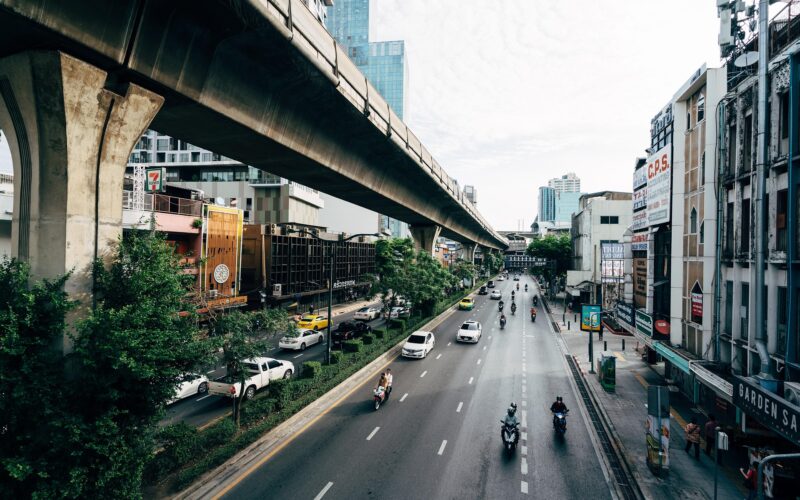
Repaving the Roads and Common Areas
Roads and shared spaces take a beating every day. Heavy vehicles, shifting temperatures, and constant foot traffic all chip away at even the most well-laid surfaces. Over time, cracks spread, potholes form, and what was once a smooth stretch of tarmac becomes a hazard. Repaving is not just about aesthetics — it is a practical investment in safety, accessibility, and long-term cost savings.
Signs it is time to repave
Not every crack calls for a full repave, but some warning signs should not be ignored. Alligator cracking — where the surface breaks into a pattern resembling scales — suggests the base layer has been compromised. Standing water after rainfall points to drainage issues that worsen over time. And if potholes keep reappearing despite repeated patch repairs, the underlying structure is likely failing. At that stage, resurfacing or full reconstruction becomes the more economical path forward.
Choosing the right approach
Repaving is not a one-size-fits-all solution. The right method depends on the condition of the existing surface, the volume of traffic it handles, and the budget available. Mill-and-overlay involves removing the top layer and replacing it with fresh asphalt — a cost-effective option for surfaces that are worn but structurally sound. Full-depth reclamation, on the other hand, breaks down the entire pavement and rebuilds it from scratch, which suits roads with more extensive damage. A professional survey can help determine which approach delivers the best value.
Common areas deserve the same attention
Car parks, pedestrian walkways, and shared driveways are often overlooked in favour of main road repairs, yet they see just as much wear. A cracked car park surface creates trip hazards and can damage vehicles. Uneven pathways pose a genuine risk to older residents or those with mobility challenges. Proactive maintenance of these spaces reflects well on property managers and local councils alike, reducing liability and keeping shared environments safe and functional.
Planning a repaving project
Good planning makes a significant difference to the outcome. Scheduling works during dry weather minimises disruption and allows materials to cure properly. Communicating timelines to residents or road users in advance reduces frustration and keeps traffic flowing safely around the site. It is also worth considering whether drainage improvements, line markings, or kerb repairs should be carried out at the same time — combining works keeps costs down and avoids the need to resurface an area twice.
The long-term value of regular maintenance
Repaving a road or shared area is a considerable upfront expense, but the alternative is far costlier. Neglected surfaces deteriorate rapidly, and the repairs required become increasingly complex. Regular maintenance — including crack sealing and surface treatments between major resurfacing cycles — can significantly extend the life of a pavement. For housing developments, commercial estates, and local authorities managing multiple sites, a structured maintenance schedule is the most financially responsible approach.
Working with the right contractor
The quality of a repaving project rests heavily on the contractor carrying it out. Look for firms with demonstrable experience in both road and common area surfacing, and ask for references from comparable projects. A reputable contractor will carry out a thorough site assessment before quoting, clearly outline the scope of works, and stand behind their output with a workmanship guarantee. Taking time to choose the right partner at the outset avoids costly remedial work further down the line.