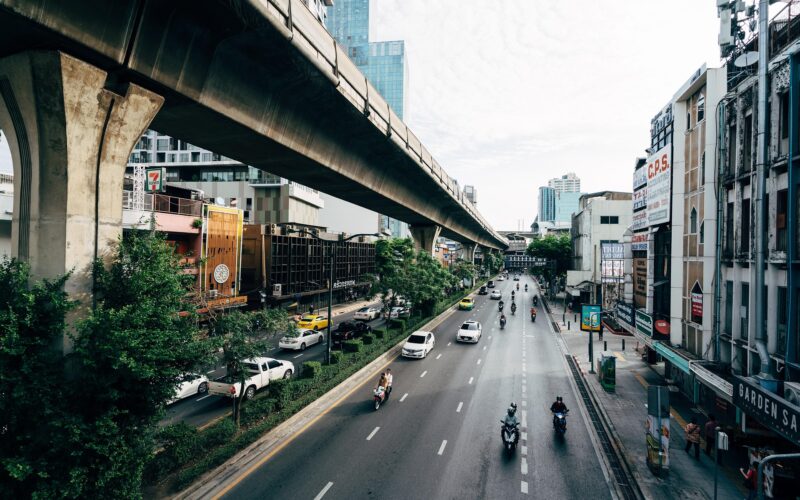
The Rise of Smart Cities
Urban centres across the globe are undergoing a profound transformation as populations expand and resources become strained. To address these pressures, local governments are turning to technological solutions, giving birth to the smart city. This approach integrates digital networks and data analysis into the fabric of urban environments to improve the quality of life. By leveraging connectivity, modern metropolises are redefining how we interact with our surroundings, ultimately creating spaces that are more efficient, sustainable, and responsive to human needs.
Revolutionising transport and infrastructure networks
One of the most visible impacts of this digital integration is the overhaul of urban transport systems. Traffic congestion has long been a defining frustration of city life, but intelligent traffic management systems are beginning to change that narrative. Sensors embedded in roads and intersections collect real-time data on vehicle flow, allowing automated systems to adjust traffic light timings dynamically. This reduces gridlock, lowers carbon emissions from idling vehicles, and shortens commute times. Furthermore, public transport networks are becoming more reliable through predictive maintenance, where algorithms identify potential faults in trains and buses before they cause disruptions.
Beyond transport, the underlying infrastructure of these communities is being modernised to conserve vital resources. Smart water grids detect leaks instantly, preventing millions of litres of clean water from being wasted each year. Similarly, intelligent street lighting systems use motion sensors to dim or brighten lights based on pedestrian presence, significantly reducing electricity consumption. These upgrades operate quietly in the background, yet they form the crucial foundation upon which sustainable urban growth relies, ensuring that expanding populations do not exhaust local environmental capacities.
Fostering sustainability and energy efficiency
The push towards environmental sustainability is perhaps the most compelling driver behind the smart city movement. As the reality of climate change becomes impossible to ignore, urban areas are utilising technology to slash their carbon footprints. Smart buildings equipped with advanced environmental control systems automatically regulate heating, cooling, and ventilation based on occupancy levels and weather forecasts. When combined with renewable energy sources like solar panels and wind turbines, these buildings can sometimes generate more power than they consume, feeding excess electricity back into a decentralised, intelligent municipal grid.
Waste management, traditionally a logistical nightmare for large populations, is also benefiting from this technological renaissance. Smart bins equipped with fill-level sensors notify collection services only when they are full, optimising routing for waste disposal trucks. This prevents unnecessary journeys, saving fuel and reducing exhaust emissions in residential neighbourhoods. By treating waste collection as a data-driven service rather than a static schedule, communities are achieving higher recycling rates and maintaining cleaner, more hygienic public spaces with a fraction of the traditional operational costs.
Navigating the challenges of a connected future
Despite the immense benefits, the transition to hyper-connected urban environments is not without significant hurdles. The reliance on vast amounts of data to keep these systems operational raises valid concerns regarding privacy and digital security. For a smart city to function optimally, it must constantly monitor the movements and habits of its citizens, creating potential vulnerabilities if this information falls into the wrong hands. Consequently, local authorities must implement rigorous cybersecurity measures and transparent data governance policies to maintain public trust, ensuring that technological advancement does not come at the expense of civil liberties.
Ultimately, the successful development of these futuristic communities relies on finding a harmonious balance between innovation and human design. While algorithms optimise resource distribution and streamline services, the true measure of a smart city lies in its ability to foster inclusive neighbourhoods. As we look ahead, the focus must remain on using digital tools to bridge social divides rather than widen them. By prioritising equitable access, we can build resilient urban landscapes that truly serve all their inhabitants, paving the way for a brighter collective future.